Equine Assisted Psychotherapy: What You Should Know

With so many programs now offering “equine therapy,” how can you tell the difference between all the options? ? Not all equine-assisted work is the same, and understanding what programs are actually offering can shape the kind of healing you experience.
If you’re considering this work for yourself, your child, or someone you love, it’s worth slowing down and understanding the difference between what is offered, and it’s important to know what to look for.
As a consumer, it can be helpful to have some basic understanding of the language that is used in the field of equine assisted services. If you’d like a deeper dive into terminology, you can explore this free webinar (or this blog) from the Natural Lifemanship community:
What Is Equine Therapy?
Equine Therapy vs. Equine Assisted Services (EAS)
“Equine therapy” is often used as a broad, informal phrase. Taken literally, it means therapy for horses (which is not what most programs mean when they use it!). More commonly, it’s used to describe equine assisted services (EAS), which may include therapeutic riding, horsemanship lessons, coaching, personal growth experiences, psychotherapy, or wellness activities. Sometimes these services are not provided by licensed or certified professionals.
Equine Assisted Psychotherapy (EAP), however, is something more specific.
EAP is a form of mental health treatment provided by a licensed mental health professional, where horses are intentionally incorporated into the therapeutic process. At its best, it is grounded in clinical theory, trauma-informed practice, ethical standards, and relational work.
What Is Equine Assisted Psychotherapy?
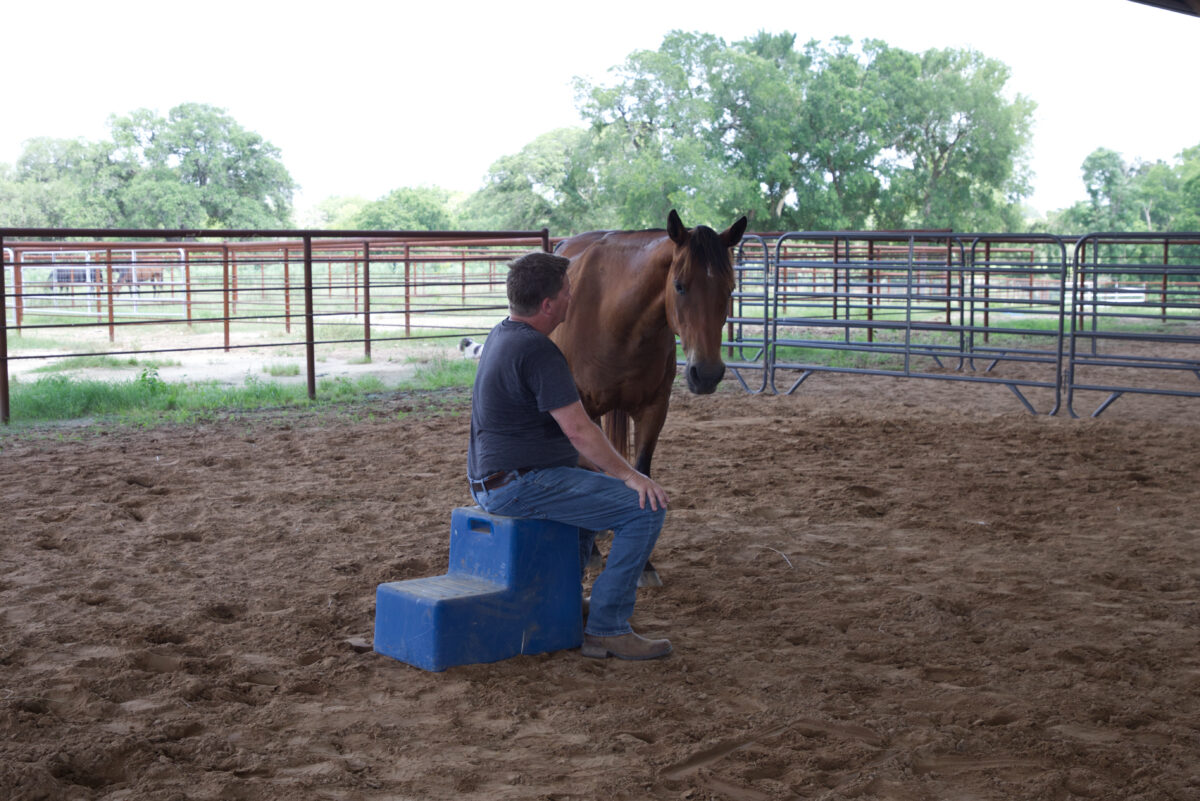
In equine assisted psychotherapy, clients don’t just talk about their problems. They engage in real-time relational experiences with horses and mental health therapists that bring patterns, emotions, and nervous system responses into the present moment. Rather than sitting with a therapist and telling them about the life that goes on “out there”, the client, the therapy team (mental health and equine professional) and the horse work together to see how life is affecting the client right now, and how changes could be made. The relationship with the horse also offers opportunities to practice new ways of being.
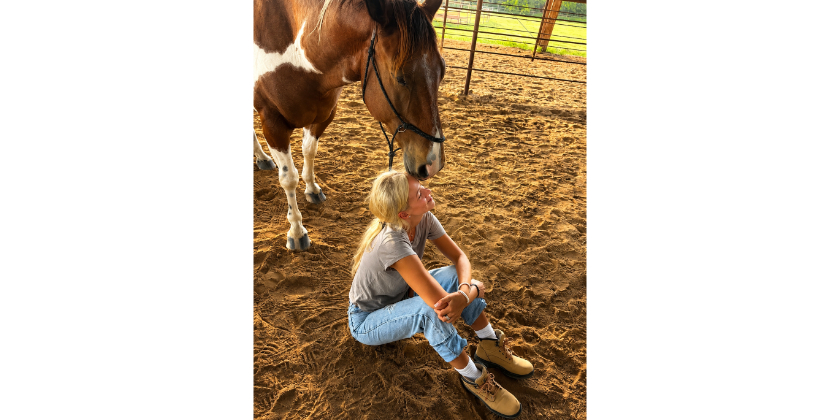
Horses are sensitive, responsive beings, capable of forming deep bonds with humans. That connection can be more powerful than words and is sometimes the first safe relationship a client has experienced. With the help of a skilled therapist trained in EAP, that relationship and the patterns that emerge become part of the therapeutic process.
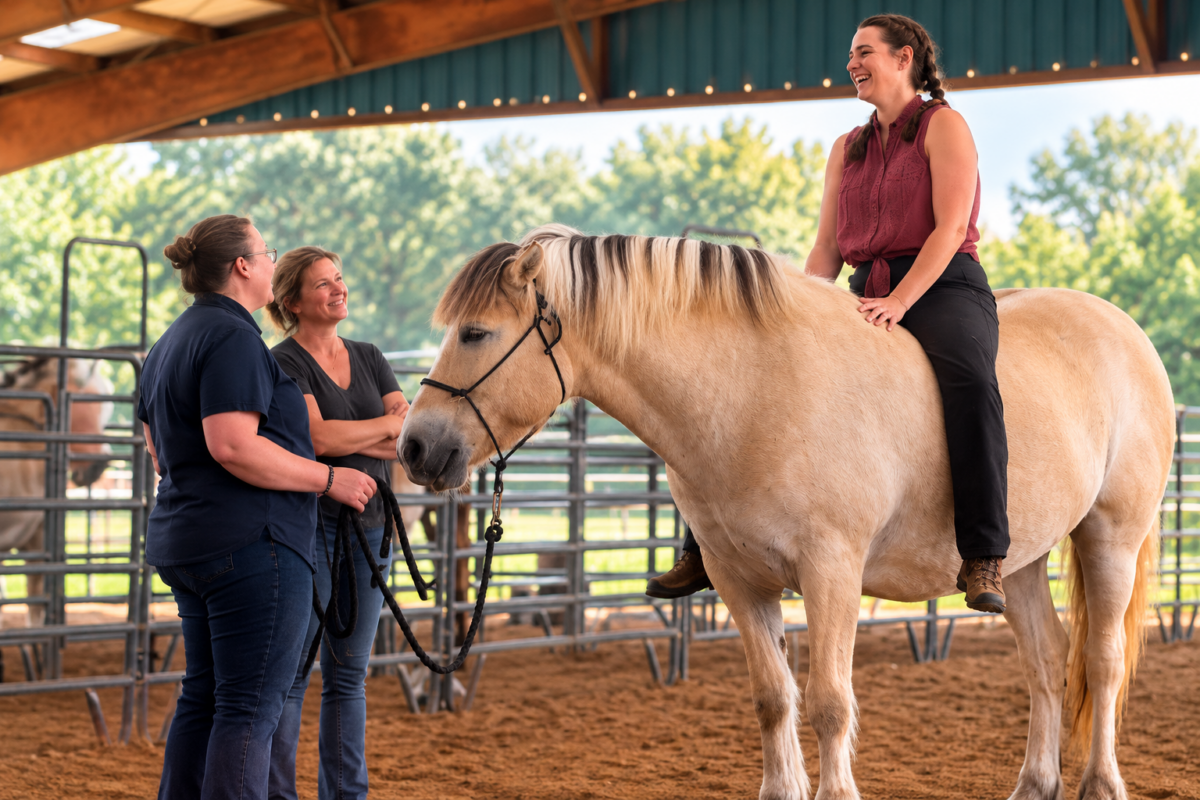
The work may involve groundwork, or mounted experiences depending on the therapeutic approach or model used and the client’s needs. What makes it psychotherapy is not simply the presence of a horse. It is the presence of a skilled licensed clinician who is facilitating the process as things unfold in real time between the client and the horse.
What to Look for in an Equine Assisted Psychotherapy Program
If you are exploring EAP, here are several important elements to consider.
1. Credentials of the Providers
Equine Assisted Psychotherapy is mental health treatment. That means:
- A licensed mental health professional is involved in your care.
- The clinician should be practicing within their scope of licensure and training.
- Providers should have specialized training in equine assisted psychotherapy, not just horsemanship experience. Certification through a reputable training program is important.
- You can ask what their EAP training required. Did it include client hours? Clinical consultation? Demonstration of competency?
The presence of a horse does not replace professional mental health training. The two must work together.
2. The Role of the Horse: Prop or Partner?
This distinction matters deeply. In some programs, the horse may function as:
- A metaphor
- A tool for an activity
- A backdrop for insight
In other EAP models, the horse is part of a real and authentic relationship.
Because many mental health struggles are rooted in attachment wounds, relational trauma, or nervous system dysregulation, healing needs to happen while engaging in relational interactions. Horses offer the opportunity to experience safety, rupture, repair, boundaries, connection, and attunement in real time.
You might ask:
- Is the horse treated as a sentient relational partner?
- Does the model address attachment and nervous system processes?
- Are therapists trained to work with relational dynamics as they emerge?
There is a meaningful difference between symbolic activity and relational psychotherapy.
3. Safety: Physical and Emotional
Safety in EAP must include both physical and emotional care.
Physical Safety
- Experienced equine professionals involved in sessions
- Horses who are appropriate for therapeutic work
- Insurance and liability coverage
- Providers trained to read equine behavior and stress signals
Emotional Safety
- Trauma-informed clinical practice
- Clear boundaries and consent
- An understanding of nervous system regulation
- The ability to pace sessions appropriately
A thoughtful program demonstrates care not only for clients, but also for horses. Horse welfare is not separate from the clinical process. It is part of it.
4. The Therapeutic Environment
The environment matters more than many people realize. Healing often happens when the nervous system feels safe enough to settle. So it’s worth noticing the space itself.
Consider the following elements:
- Inviting Atmosphere: Does the environment feel calm and intentional, inviting you to engage your senses? Can you feel the air, hear the horses breathing, and notice the rhythm of movement?
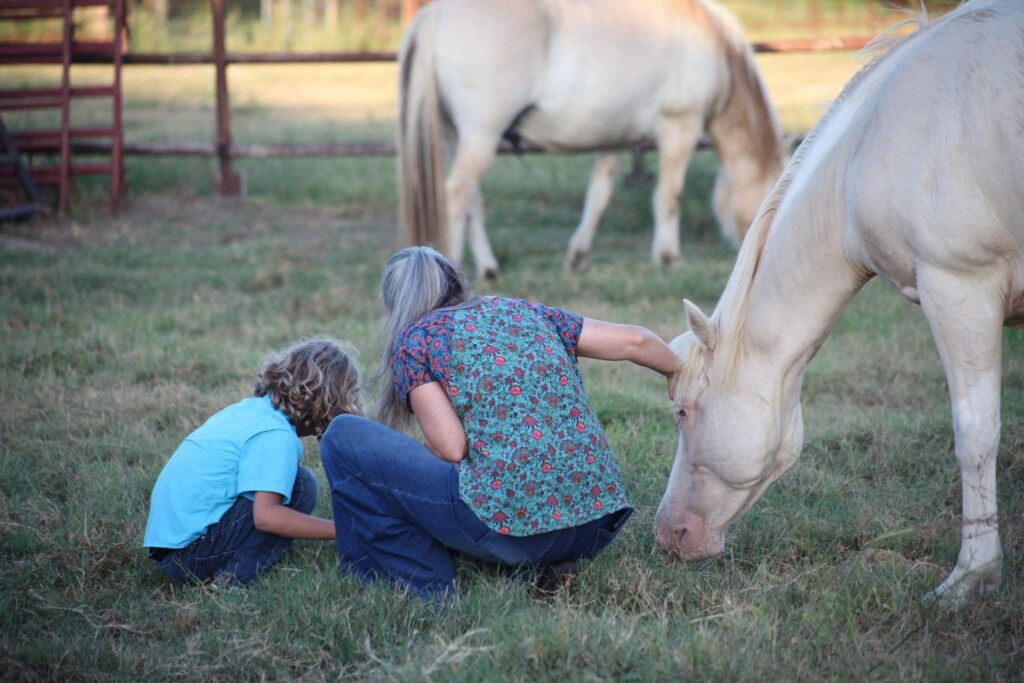
- Optional Spaces for Connection: Are there areas like a pasture, round pen, arena, or shaded spots where connection with horses can unfold naturally? Is there room to move if your body needs regulation?
- Additional Modes of Support: Are there quiet places to sit, rocking chairs, swings, or opportunities for gentle movement that help you feel grounded?
These elements, while they may seem small, play a meaningful role in nervous system regulation and healing. A strong therapeutic environment offers flexibility, allowing clients to engage at their own pace. It provides space for reflection, connection, and integration, supporting the work without overwhelming it.
5. Horse Welfare & Ethical Standards
- Do the horses appear well cared for and relaxed?
- Is there downtime for horses?
- Are sessions structured around the well-being of both client and horse?
Ethical horse care is not just about kindness. It directly impacts the therapeutic experience. A stressed or overworked horse cannot participate in safe relational work.
How Natural Lifemanship Incorporates These Elements
At Natural Lifemanship Counseling & Wellness, equine assisted psychotherapy is grounded in attachment theory, neuroscience, and trauma-informed care. It is about the healing power of connected relationships, where connection is a part of everything we do.
Certified Natural Lifemanship-trained EAP providers:
- Are licensed mental health professionals working within their scope of practice
- Complete structured training specific to the Natural Lifemanship approach and process
- Accumulate required client hours and demonstrate competency
- Engage in ongoing professional development and case consultation
- View horses as relational partners rather than therapeutic props
- Prioritize both client and equine welfare
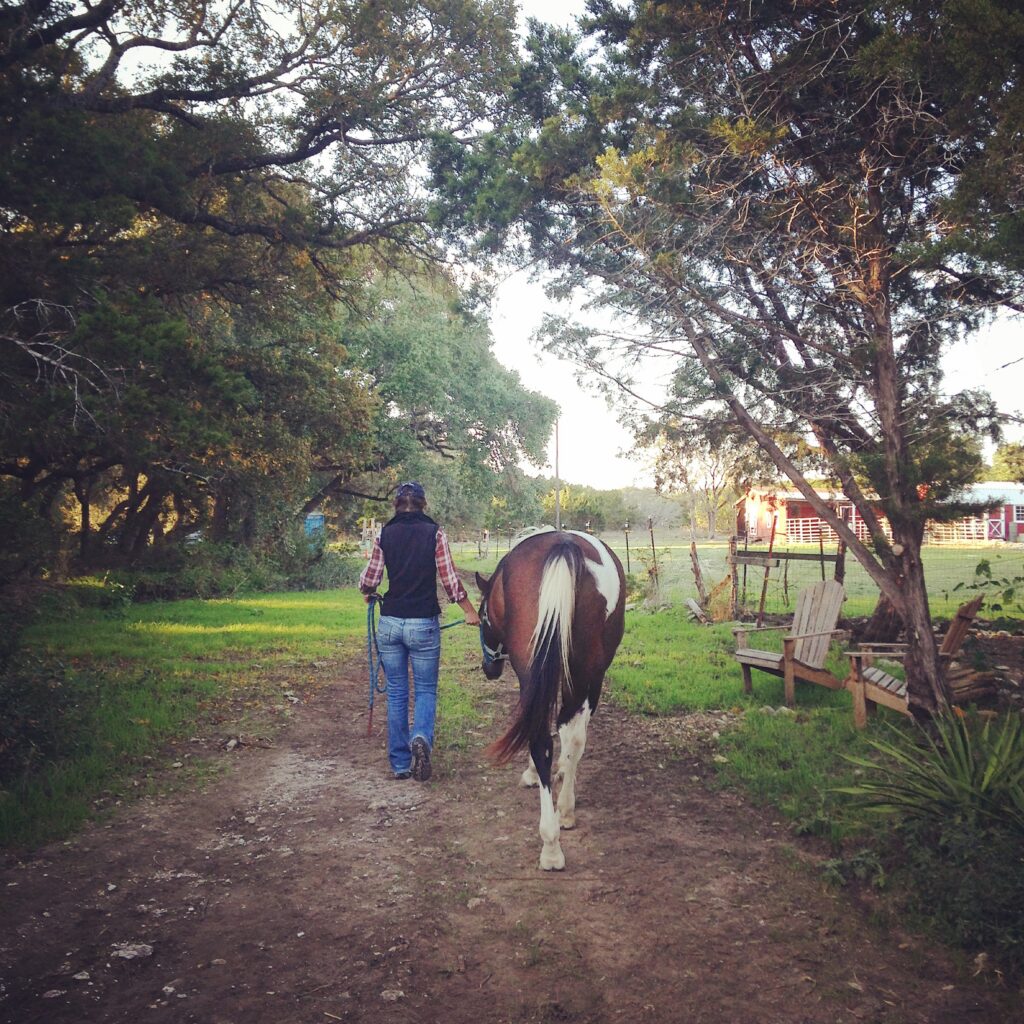
The physical spaces at Natural Lifemanship Counseling and Wellness are designed with regulation and relationship in mind. Clients may spend time in the pasture, in the round pen, walking alongside a horse, or sitting in quiet reflection. There are areas to move, places to pause, and opportunities to engage multiple senses. Gentle rhythmic movement, whether through walking, mounted work, or even sitting in a rocking chair can support nervous system regulation.
The horses live like horses are meant to live. They reside on an open acreage where they can roam, graze, and remain in relationship with their herd 24 hours a day. There is plenty of downtime built into their schedules, and the herd is large enough to ensure that horses don’t experience burnout.
During sessions, a trained equine professional is present to help monitor the physical and emotional well-being of the horse. Subtle stress signals are observed. Boundaries are respected. Consent is imperative, and the horse can always say “no.”
This commitment ensures that the horses participating in therapy are regulated, supported, and capable of authentic relational engagement.
Because of Natural Lifemanship’s attention to these details, clients experience therapy in a setting designed for relational healing. Horses are integrated thoughtfully. Clinicians are present and engaged. Safety (both physical and emotional) is foundational.
The goal is not simply insight. It is embodied change that unfolds through safe, connected experiences.
Final Thoughts
Choosing an equine assisted psychotherapy program is an important decision. Asking thoughtful questions about credentials, safety, the role of the horse, and the therapeutic environment can help you discern whether a program aligns with your needs.
At its best, EAP offers something unique: healing not only through conversation, but through real-time relationships with a skilled therapist, and equine professional, and a responsive, sentient equine partner.
And that kind of healing can be deeply powerful.
If you’re ready to experience this work for yourself or someone you love, explore the counseling and wellness programs at Natural Lifemanship Headquarters. From individual therapy and family services to immersive wellness experiences, every offering is grounded in the same attachment-based, trauma-informed principles described throughout this article.